
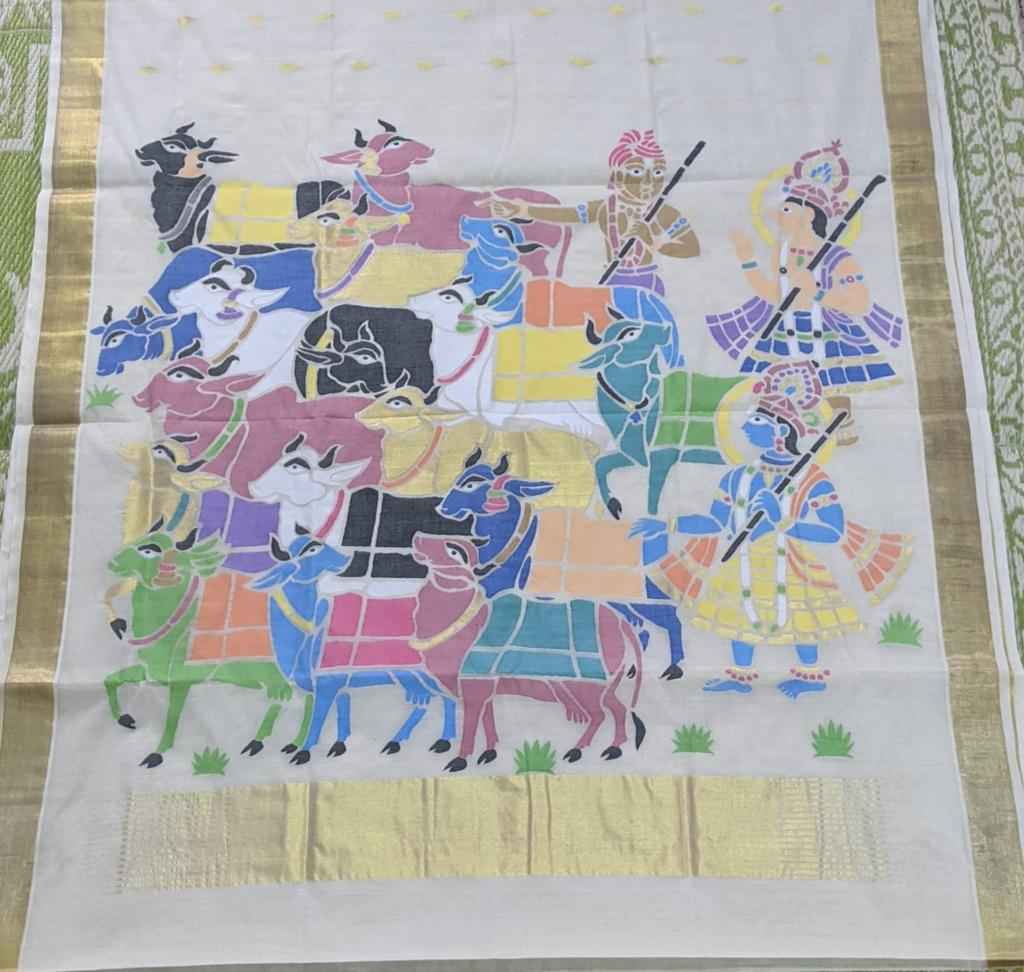
Venkatagiri is a small village in Nellore district of Andhra Pradesh and is famous because of
the iconic Venkatagiri Handloom weaves. The main communities involved in the handloom
industry are Padmasali, Devanga, Pattusali and Karnasali which accounts to 30% of the
population. There are around 10,000 looms in this small town in Manulalapet and
Bangarupet. Devanga community weavers have been in this profession since 1600 AD, and
most migrated here from Kadapa district. Venkatagiri weavers have adopted the “Jamdani ”
weave which had its origin in Bangladesh.
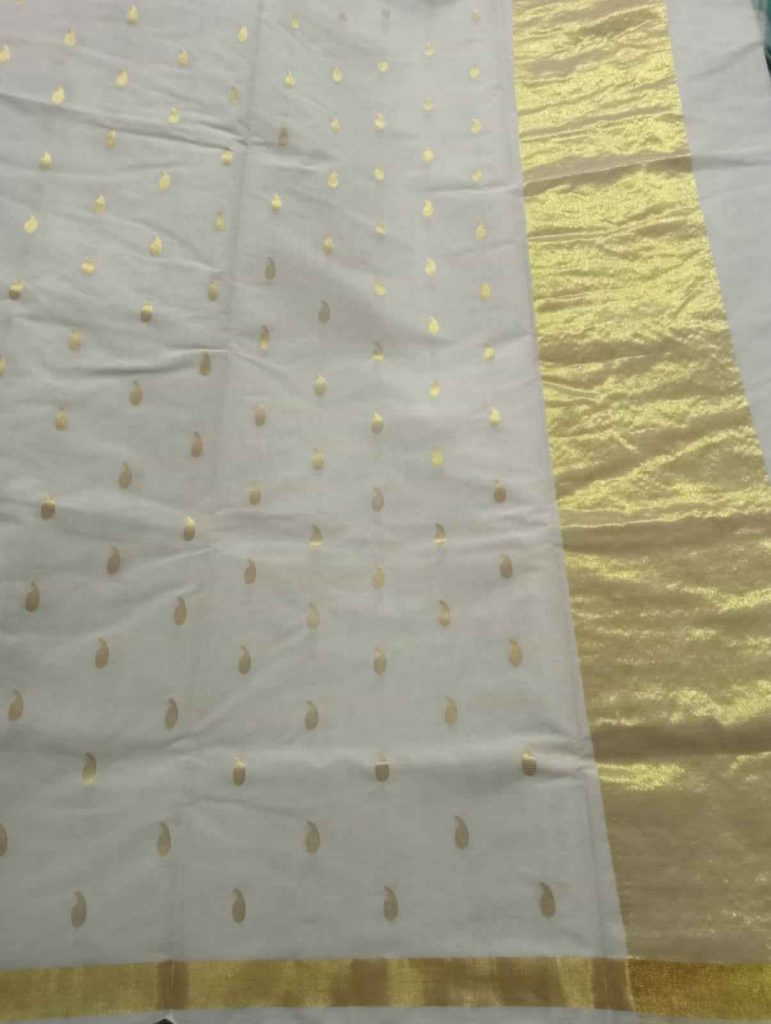
The weavers in Venkatagiri mainly produce sarees of Cotton, Cotton/Silk mix and pure Silk.
The count gives the fabric its softness. The counts used in cotton are usually 100 (length) –
100 (breadth) and in silk, it is 3 ply.
Placing a big single jamdani motif of a peacock or a parrot, and its mirror image in the pallu
is a typical traditional style of Venkatagiri. The primary pattern of the sarees include a bold
ribbon of zari as border, and in the pallu of the sari, with traditional peacock, swan, mango,
leaf and round designs interspersed all over the saree. Weavers are ever ready to customize
as per one’s choice.
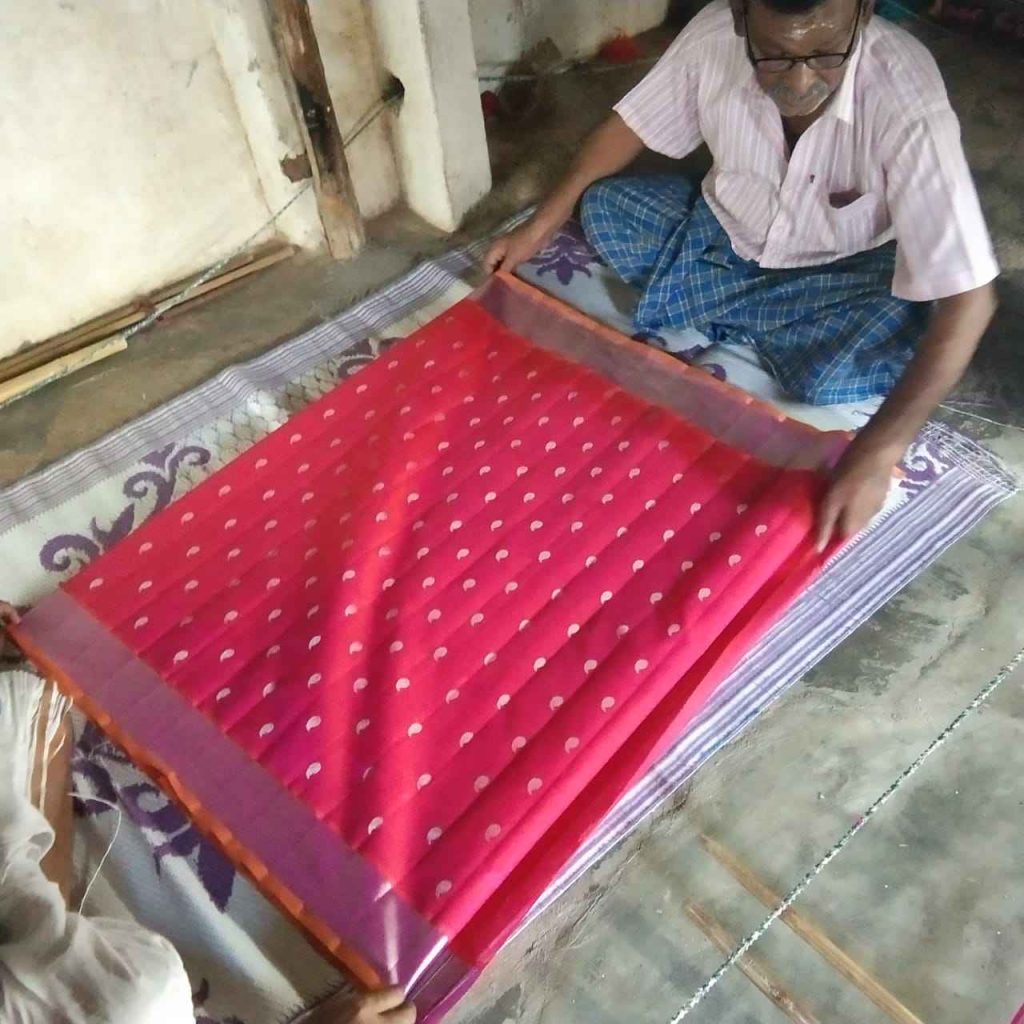
Nagendar lives in Venkatagiri town and comes from a family of traditional Venkatagiri
weavers. Bhavana Rishi is the kula devata of the community and every year they have
Tiranala in their town which is a huge affair.
The Padmasali community of Venkatagiri consider Alivalamanga of Tiruchanur their ‘adda
bidda’ and they have a tradition of offering ‘pattu vastram’ on the first day of kalyanam which
adorns the deity. A record is maintained by the temple authorities. Similarly the Vastram for
Narayanvaram Swamivaru of Chittoor is also presented by Venkatagiri weavers.
Traditional weavers are trained on the job by family members. Today only 10% are working
on the loom compared to the olden days. When all members of the family work in the
handloom industry, only then it is sustainable, according to him. Most of the weavers in the
town are master weavers. There are 6 or 7 societies (2020). About 2000 families are
presently practising the craft and among them hardly 100 children are interested in
continuing.
Traditionally they wove only cotton but now its pattu which is in demand and more
remunerative. Labour charges could range between Rs 500 to 20,000 or more per saree.
Venkatagiri sarees are also made in Srikalahasti, Gollapalli and Madhavaram.
The process of dyeing is no longer done locally, the yarn is procured from spinning mills and
silk from Bangalore.
11 weavers of Venkatagiri have received national and other awards for their unique creation.
Among them are Lakka Venkataramaiah, G. Ramanaiah for his ‘Kalpavriksh’ and the Sant
Kabir Award, Dhanakal Venkateswarulu, Dontu Sanjeevi, Marlagadda Veeraswamy, Kunna
Mallikarjuna, Sajja Veeraiah, Patnam Muniraju, Lakka Srinivasulu, Patnam Chirala Reddy,
Patnam Munibabu being the last who wove a Jamdani saree depicting Krishna lifting the
govardhan mountain.
From time to time weavers push their limits to create extraordinary weaves, one such would
be with the verses of the Bhagavad Gita in Jamdani weave.
G. Ramanaiah garu was felicitated with the Krishna Kamalam Sanmanam by ccap for his
efforts to continue with the traditional weaving of Venkatagiri Jamdani.
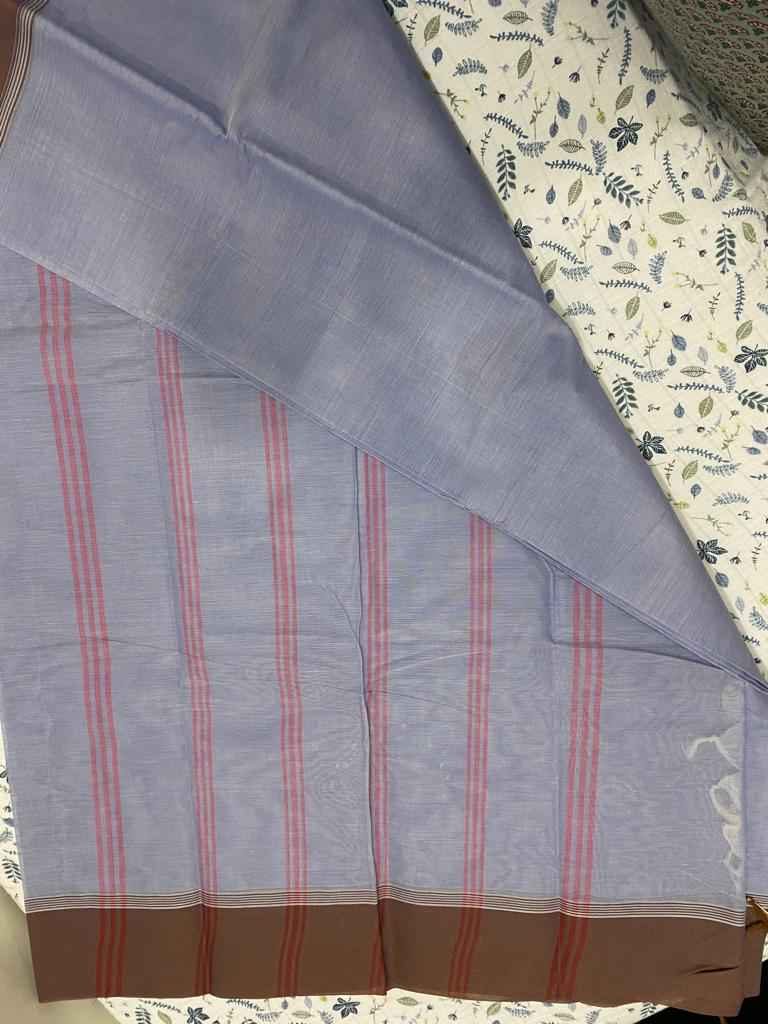
Nakka Venkateswara Rao, president of Venkatagiri Handloom sarees Apex Society initiated
the GI tag application for Jamdani technique in 2009 and it was awarded in May 2011.
Today about 5 to 7 % practice the Jamdani weave.
Pacham is the warp frame which could have a capacity of 4,5,6, 12,or 16 sarees..
Venkatagiri cotton sarees are unique for softness, and colour fastness which does not fade
on washing and the design looks the same on the reverse.
According to him, Venkatagiri town has a population of 52,000 and among them 24,000 are
weavers and many people migrated from Madhavaram in Kadapa district to Venkatagiri due
somasila dam displacement.
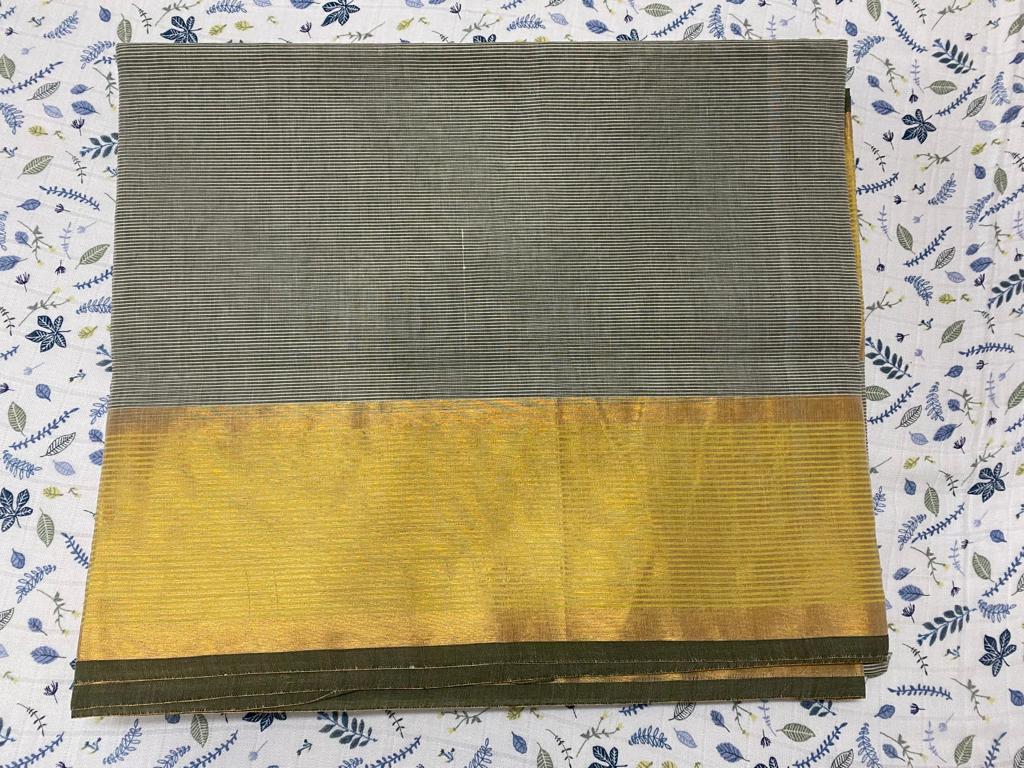
SPKM Indian Institute of handloom technology started in Venkatagiri in 1992 and conducts
diploma courses in weaving, textile designing, dyeing, spinning etc for 60 students (link
given below) annually. It is the 6th such Institute in the country with the collaboration of state
and central government.
https://www.tirumala.org/SVISTA.aspx
A half hour drive from Nellore town towards the interior, is Paturu on the banks of Penna
river, a place not known to many, but the town is lined with shops on both sides selling what
it’s best known for, the Paturu Sarees. A member from Nellore district shares her experience
after visiting the place recently.
Sri Baina Ramanaiah garu is from a well known handloom weaver family whose father
introduced sarees for the first time about 80 years ago. In those days they used to weave in
120 and 130 count but now it’s down to only 90. Before that, shirting material was being
exported to Africa and America.
The town used to have about 100 looms once upon a time but now they are down to 20 and
they source their dyed silk from Bengaluru, zari from Surat and cotton yarn from Coimbatore.
Use of pure zari has been discontinued since 1996. Whenever there is a big demand, then
work is outsourced to weavers across five surrounding mandalalu. Earlier marketing was
done by Kalanjali, Hyderabad and Chandana brothers in Rajamahendravaram. Recently this
practice has stopped as they do direct sales from their town shopping centre. People from
far off places come here to purchase Paturu sarees.
Paturu Sarees have distinct features i.e. 60 percent silk and 40 percent cotton with border.
They are affordable sarees, the maximum being less than ₹10,000/-. They are lightweight
and all weather and all occasion sarees. They do not shrink after washing. These were most
preferred for embroidery.
Kuppadam Pattu sarees which were once famous in Chirala are also being made in Nellore
district. They are woven in two parts i.e. body and border separately. The body is a mix of
cotton and silk while the border is of double weave using pure silk with contrasting colors.


