Let the puppets not stop dancing. For, the show must go on.
Nimmalakunta Tholu bommalata
By Rajeswari Mavuri
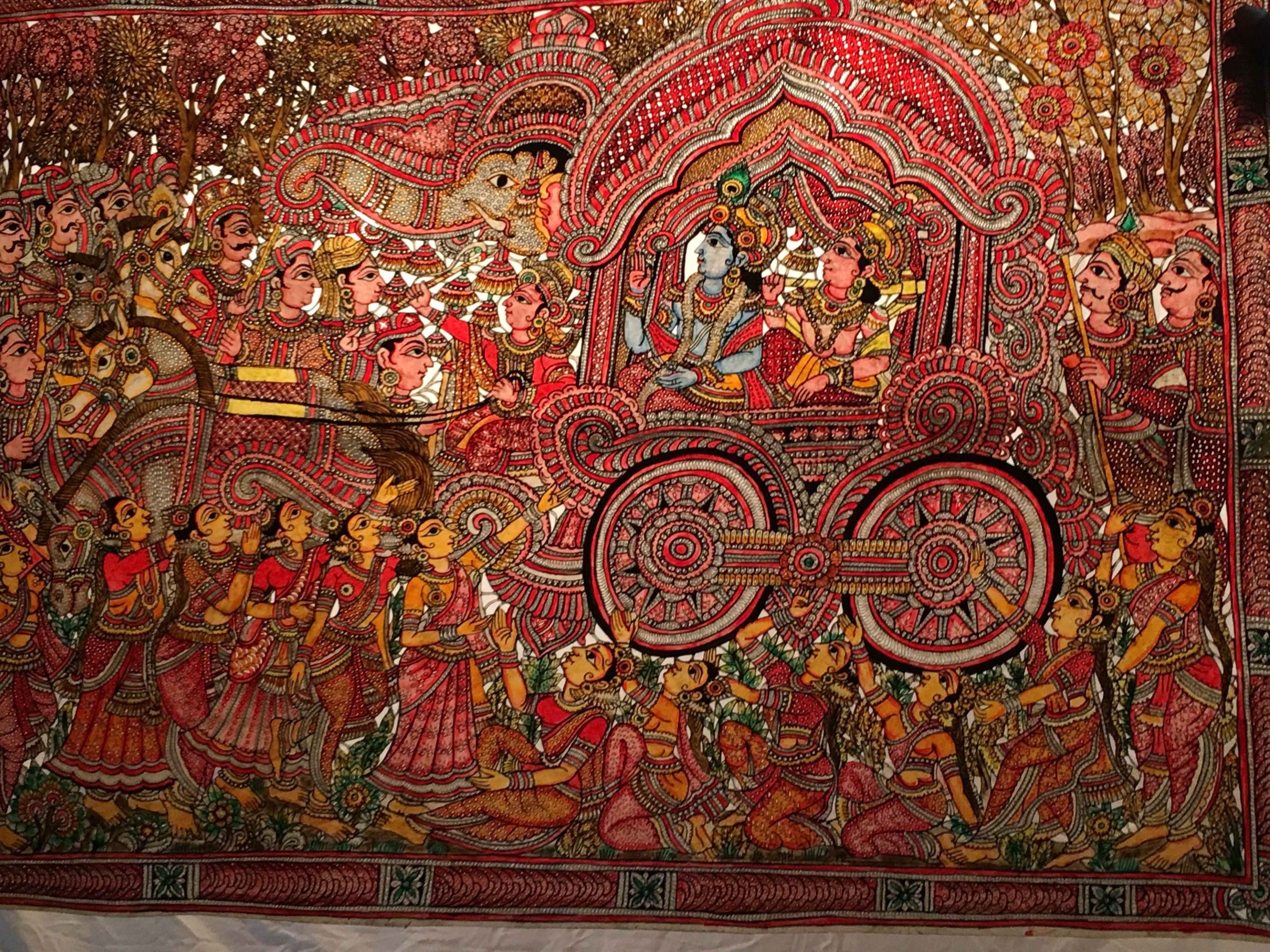
Dating back to circa 3rd century BC, Tholu bommalata – a hallmark of Andhra’s culture, folklore, art, and heritage – is one of the oldest and most celebrated forms of performing arts. Translated as “the dance of leather puppets”, TholuBommalata features goat and deer leather puppets painted with mineral colours. This exquisitely engaging shadow puppetry derives its characters from India’s most admired and revered epics – Ramayana and Mahabharata.
This incredibly gripping art form finds its birth in Nimmalakunta, belonging to the Anantapur district. A lovely sentiment precedes Tholu bommalata; whichever place is chosen to serve as a platform for the puppet show enjoys a bounty of rain and prosperity. To whose tunes do the puppets (and we) dance?
Originally conceptualised and executed in the folk style, Tholu Bommalata carved a niche in the theatre arts world. The puppets are manipulated under a strong light source, from behind a translucent cloth screen, with music and songs that further enliven the show. It also carries a distinct signature as it interweaves the local customs and dialect with the religious texts. Tholu Bommalata can also be a tool to enact contemporary social issues through its iconic storytelling style – a befitting example of information through entertainment!
Popularly known for essaying some historic episodes, TholuBommalata has music in the background – sometimes even dialogues – that are usually rendered by artists with the accompaniment of harmonium and percussion instruments. And these artists travel from far away villages to stage a show. And, what seems like mere movements of faces as an art form has hours of labour of artisans working through the clock to block an hour for spreading only joy!
The final shine of leather puppets has meticulous background work – intricate and stringent steps spread across a month. Akin to most art forms, Tholu bommalata adopted and embraced several changes to stay relevant in the dynamic society. Therefore, one can even find these changes even to be palpable. For instance, earlier, puppets were made from the skin of antelope and deer, but today, artists started using goatskin. There’s a lot more, but let’s look at the process:
Step 1: Most of the time, the goatskin is procured from the local meat shops. Once sourced, it is soaked in water for a few hours to soften it. Post that, it is flattened and washed thoroughly with hot water to kill the germs. Then, it is left to dry for a few days, followed by several rounds of washing and cleaning until the skin is transformed into a translucent parchment.
While the original method is elaborate in fashion, today, a few artisans are found importing parchment from Gujarat and Maharashtra to avoid the dreary cleaning process. And yet, we think they are just puppets. Who is a puppet here – by the way?
Step 2: The outlines of the figures are then drawn on the parchment using a pencil. They are then painted using a bamboo nib (and not a brush). So once the outline is drawn, the figures are created, and the marked spaces are filled with vibrant hues (generally the brighter ones). These colours used to be natural pigments once upon a time; however, today, the artisans are going for acrylic paints and brushes.
Step 3: Once the pieces are painted, the figures are cut; and the cut-out parts are stitched together to form a puppet. An interesting fact here would be that this method enables higher flexibility to the puppet, as this allows for effortless and graceful movements. The artisans also follow a unique sewing method – attaching the puppet to a stick or a handle or binding with ropes to enhance the mobility of the figure.
As for its business, Tholu bommalata finds its demand mostly in exhibitions. There was a time when the artisans, primarily Telugu-speaking, used to travel the world to sell their products. But Covid-19 shook the entirety of the artisans’ community. Most of them were forced to take up household chores, especially those solely dependent on leather puppetry for a living. A few even work in farming fields to earn a living. Perhaps it’s just a painful metaphor for us dancing to the tunes of the wicked taskmaster – COVID-19.
Even sadder is that today, Tholu bommalata is hardly seen or practised. It has lost its ground to television and cinema in the entertainment industry. The prospects of it coming back to life troubles most art lovers today. Most artists sell their merchandise – which is considered a derailment from the path set forth by their ancestors. Puppets are now only reduced to showpieces in households – caged behind glass doors.
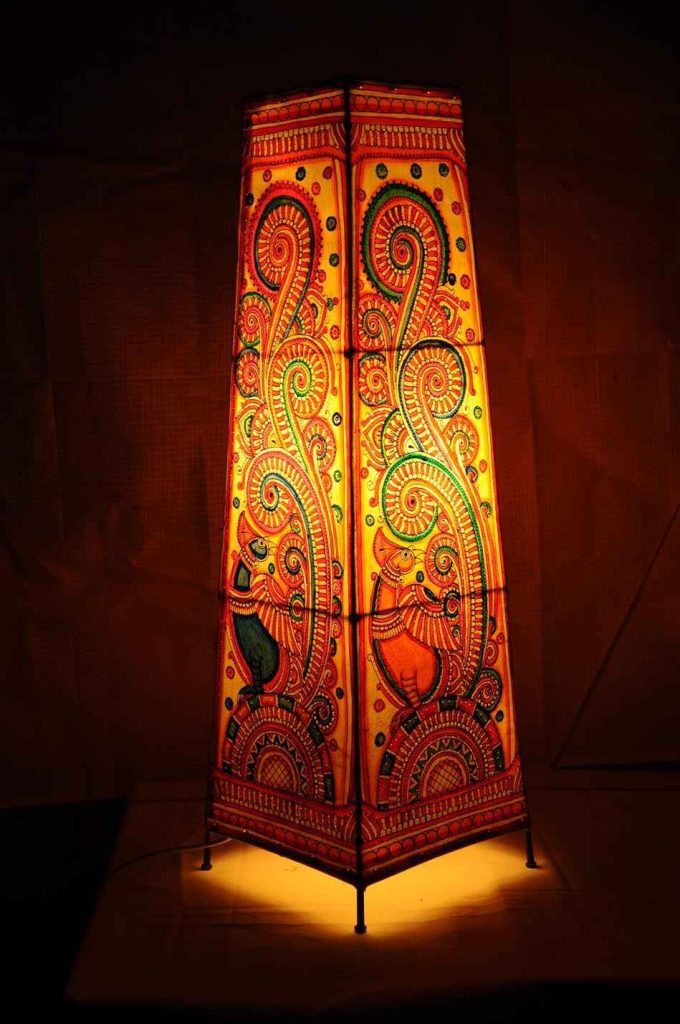
Puppeteers today have shifted to making lampshades and wall hangings, which are high in demand. What’s even newer is that this traditional folk art also seems to have caught the fancy of designers – and a few are already coming up with innovative ways of using this in jewellery and on bags. A puppet is free as long as he loves his strings.
All said and done, while it is time for redemption and much work is needed to support the renaissance of this age-old craft, the shift in the mindsets of our young generation is a heartening sight to witness. It is commendable to note many students mushrooming around this subject as a study of research. Surprisingly, so much energy is spent discussing its past glory and not so much on making it a breathing, puppet-ing and dancing reality. One must also agree that the art form can be considered saved only when the impoverished artists’ lives change for the better. That is why the torchbearers should be infused with the much-needed energy and strength to carry forth the rich tradition – with that spirit, all of us must strive for its revival. Not simply wish for it. We are not puppets, after all.
Tholu Bommalata can be a part of many social events. The easiest and the most powerful way to revive an art form is to turn the wish into will. And act on it — the puppetry act.
Tholu bommalata adds the sparkle that your event desires – and deserves. Let us reignite the fading light of this beautiful native art form. It is time we indulged with some puppets during life occasions and celebrations. For instance, during the pre-wedding event, why can’t we think of telling your love story using puppetry instead of a wedding film? Puppets can say things that people can’t.
Lights, chimaera, action.