
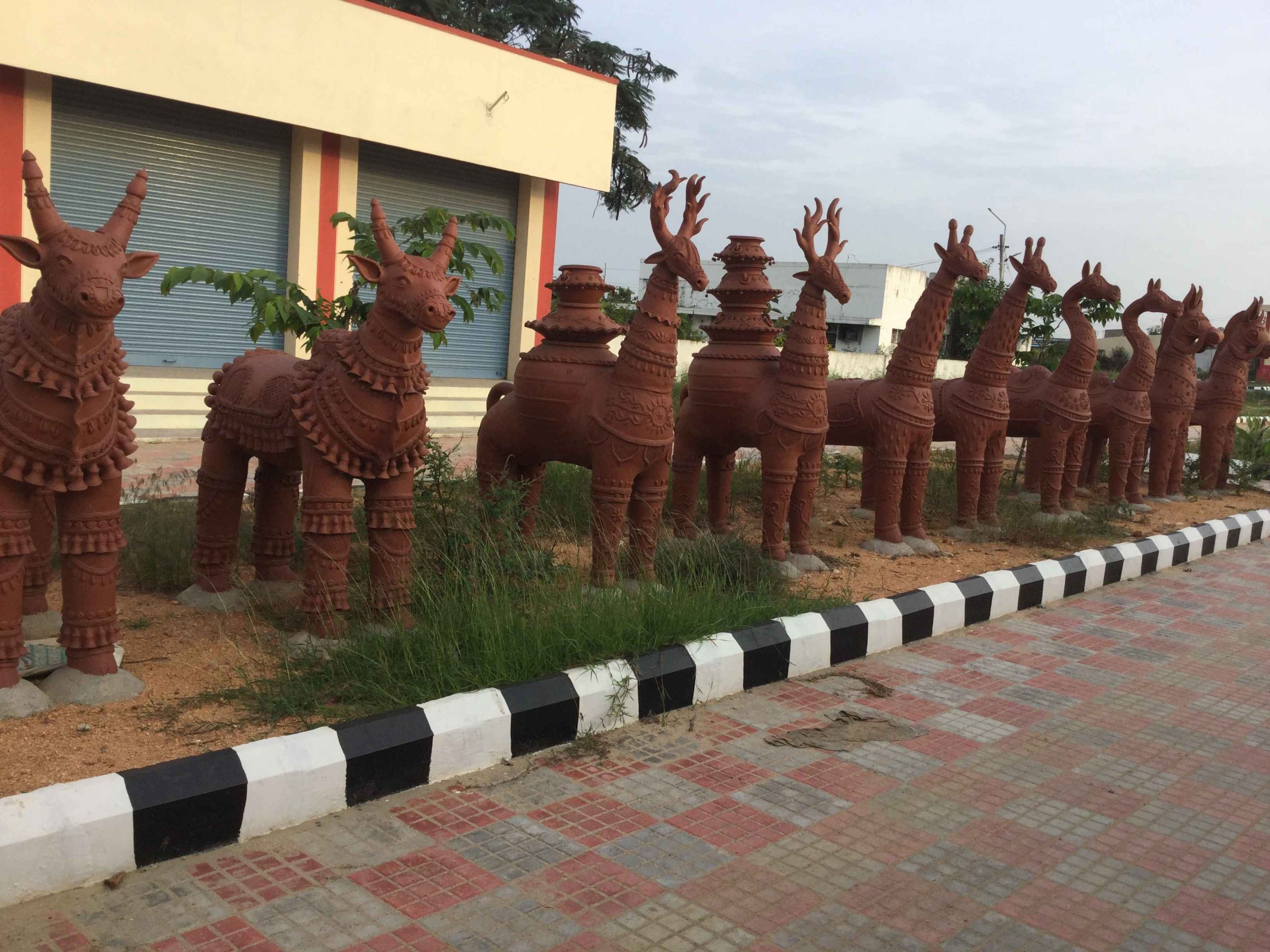
Madanapalle and Palamaner clusters of Chittoor district engage about 287 artisans
of clay craft.
Terracotta is one of the earliest mediums in which man began to mould.The clay
used is generally a blend of two to three clays found in the nearby river beds, pits
and ditches. More often than not the fuel used is one of the local resources available
in the form of twigs, dry leaves or firewood.The kilns where the clay pots are baked
are operated at temperatures between 700 – 800 degrees celsius.
The womenfolk in the khumbkar families are the potters who work on the wheels
making the round necks and the upper halves of the pots.They also make solid clay
toys and dolls which are cast in burnt clay moulds. Large figurines of gods and
goddesses are also made in clay and generate a lot of income for these families.
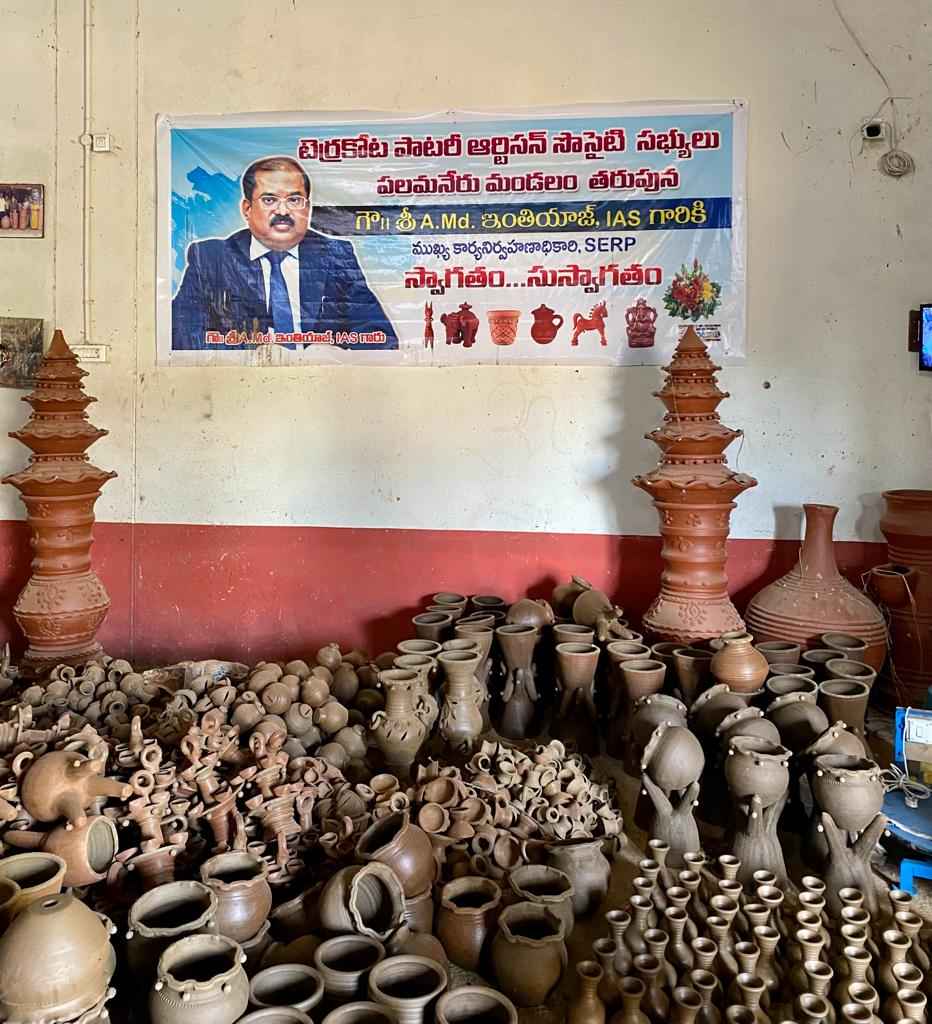
India is rich in her terracotta and pottery traditions, many of which have their roots in
prehistory. Pottery has a wide universality and its tradition goes back to the span of
five millennium.Terracotta pottery has been called the lyric of handicrafts because of
its irresistible appeal. A variety of earthen objects are created such as lamps,
pitchers, flower vases, pots, musical instruments, candle stands, tiles, frescos etc.
Crafts council of Andhra Pradesh is conducting clay moulding classes regularly for
the children of Navajeevan Balabhavan- Chiguru and Deepa Nivas. They learnt the
basics of clay moulding, types of clay and its importance in day to day life. Pottery
craft teacher Mr.L.Rajeswara Rao Achari taught the children how to make spheres,
cylindrical shapes, cone shapes, triangles and rectangles in different sizes. With
these shapes he trained them to do several things. He taught them to make
Vinayaka idols, different types of flowers, butterflies, birds, fish, dolphin, tortoise,
teddy bear, purse, basket and a few other items.
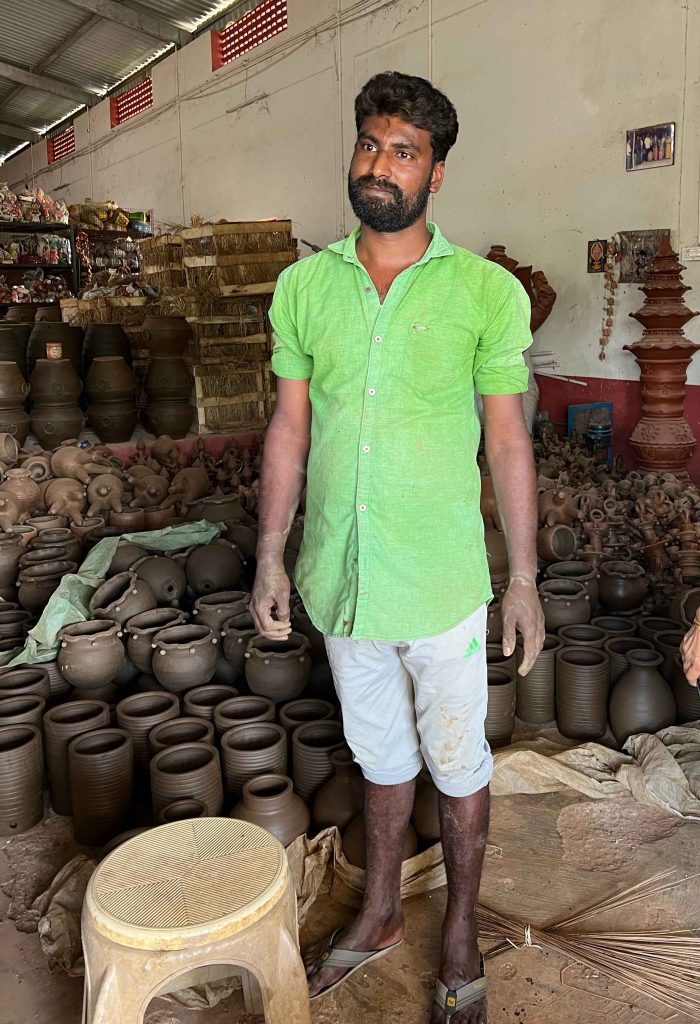
Terracotta clay was used which is pure and organic. The clay is also filtered before
use. The children thoroughly enjoyed the classes.
Demonstration with Pottery wheel was conducted in the summer camp of
Navajeevan Balabhavan where the children from 6 orphanages gathered. All the
children enthusiastically participated in the demo and most of them had hands-on
experience. Mr.Durga Rao, the potter, told the children the basics of pottery, right
from how the clay is made and forming it into objects of different shape and heating
them to high temperature in a kiln, which removes all the water from the clay, which
induces reactions that lead to permanent changes including increasing their strength
and hardening and setting their shape. Pots, tea cups, vases, diyas, utensils,
saucers,glasses ,bowls, bottles etc.were made during demonstration.


