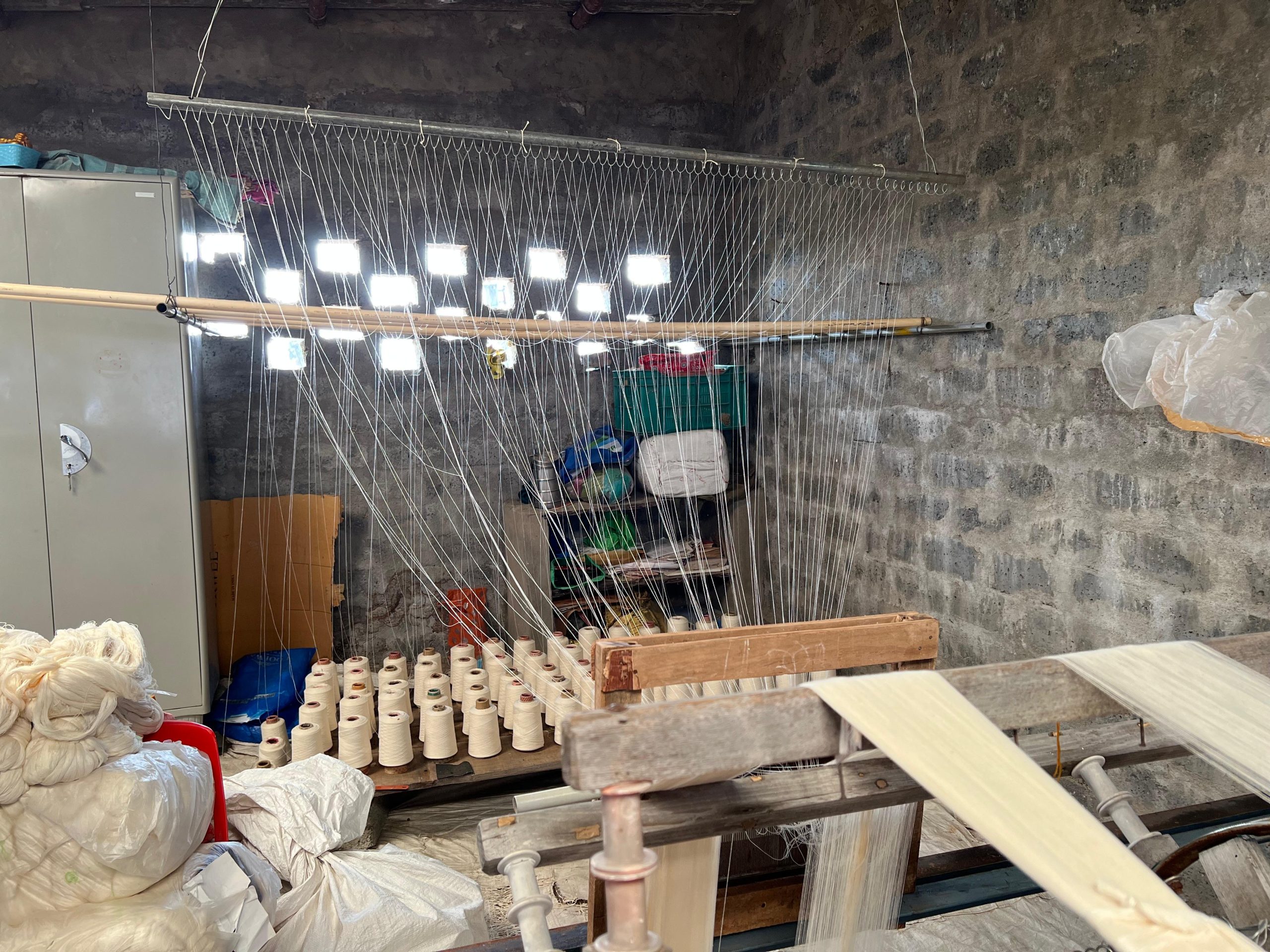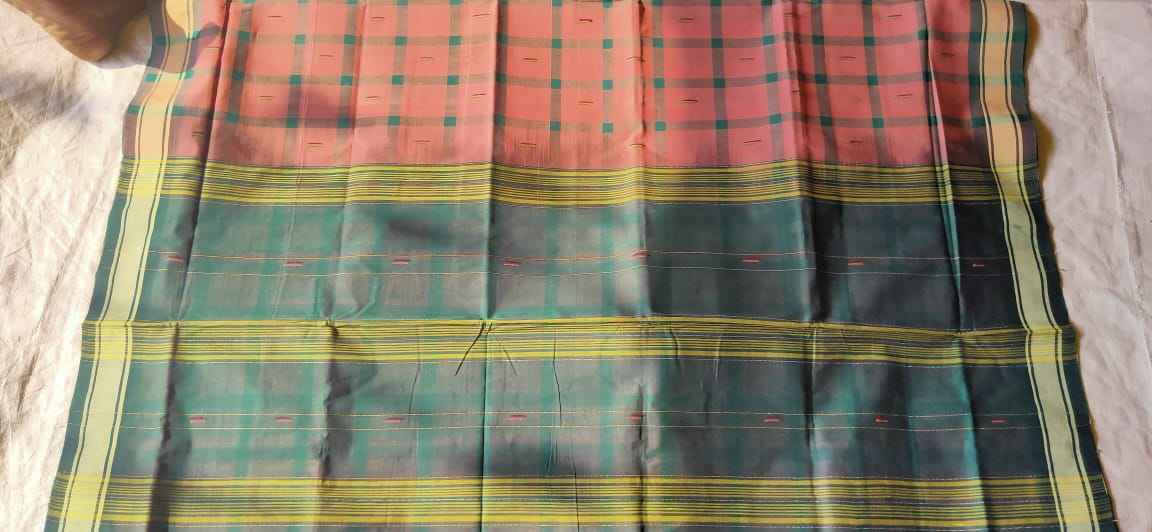
A beautiful scene plays out village after village in the rice bowl of Andhra Pradesh, where the mighty Godavari, the lush paddy fields and a string of rice mills form the backdrop for a handloom weaving tradition that goes back many centuries.
Thousands of families continue to weave even today in no small measure due to the suitable climate, i.e. high humidity, long standing and intricate social and economic networks and the community’s considerable innovative and adaptive capacities.
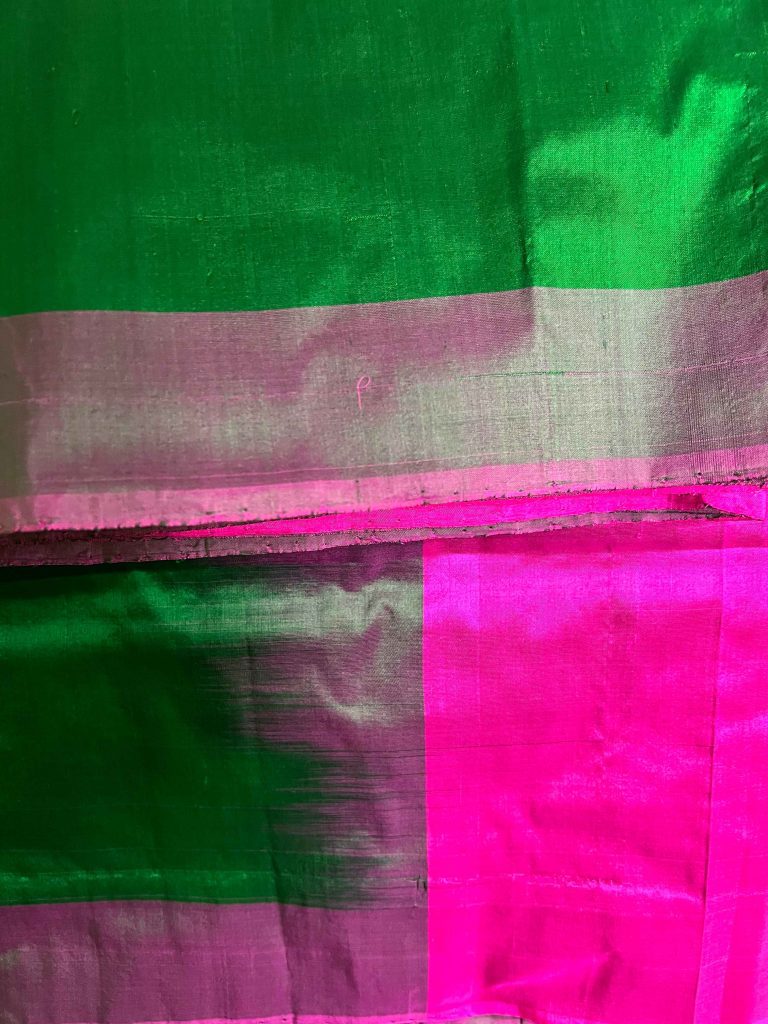
Mori, Veeravaram, Gollaprolu, Addampalli, Peddapuram, Adivarapupet, Hasanabada, Bandarulanka, Uppada are some of the handloom clusters of East Godavari district. Craft Council of Andhra Pradesh members surveyed a few clusters, namely Angara, Pasalapudi, Pulagurtha and Uppada, in 2020.
Angara
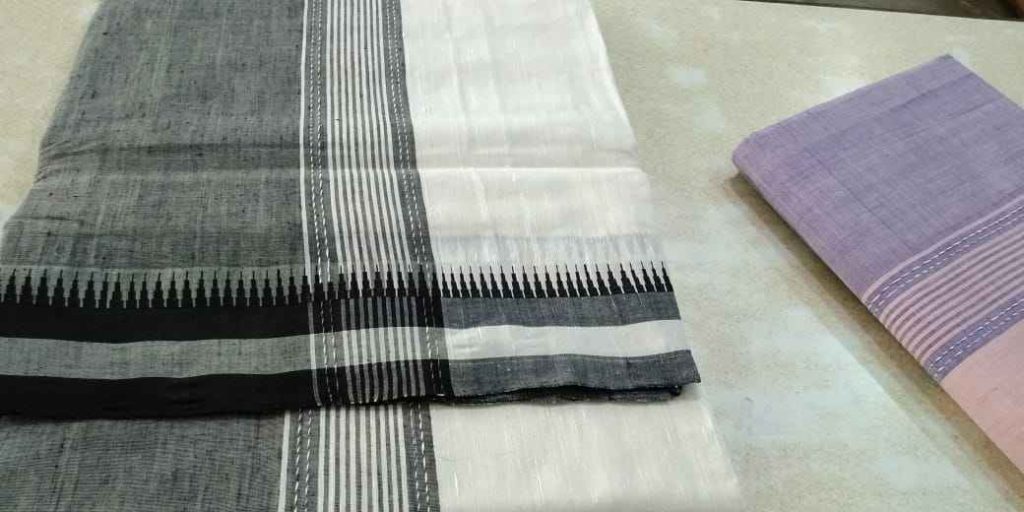
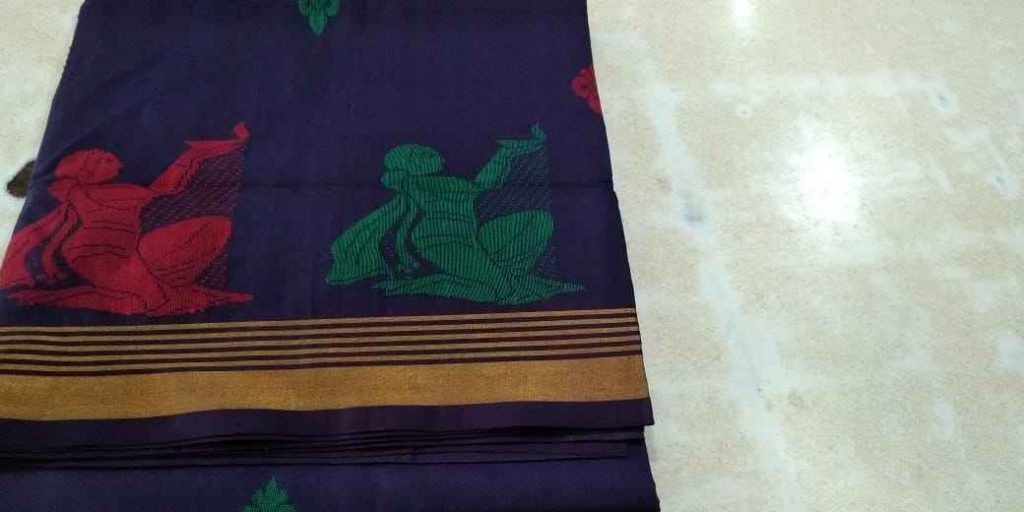
Angara has about 300 weavers who cater to local and other markets. They are a regular feature at the annual Handloom Bazaar, organised by the CCAP, on the occasion of Mahatma Gandhi Jayanthi.
Members visited Sri Ganapathi Chenetha Parishramukula Sahakara Uthpathi and Vikray Sangham Limited and quality dye unit at Angara in Kapileswarapuram mandal. They saw the working of an ‘asu machine’, a manual unit for winding warping yarn. This machine can wind warp yarn for up to 16 sarees. What was once a labour-intensive process came as a relief for many women workers.
Contact details:
Venkataramana
9494662101
Subba Rao (President)
9440509634
Pasalapudi
Pasalapudi village in the East Godavari district of Andhra Pradesh is an unforgettable experience for anyone who enters this tiny weaver’s neighbourhood. On either side are neatly organised houses with sloping roofs of thatch or tiles and spacious verandas that open into the street. Each veranda has a handloom, sometimes two, and it is here that the rhythmic movement of the hand and the rest of the body and the simultaneous woody clickety-clack of the loom shuttle as it carries the weft across the warp leave an indelible impression on the visitor. Pasalapudi is a small cluster in Rayavaram Mandal with fascinating designs due to its association with Dastkar Andhra. It shows that some intervention empowers the weavers to think differently from the old patterns.
Pasalapudi is also the native place of the famous Telugu film director and writer, Vamsi, whose writings include ‘Maa Pasalapudi Kathalu’, a collection of short stories which are local folklores that were also made into movies.
Contact details:
Venkanna (manager)
9948153711
Pulagurtha
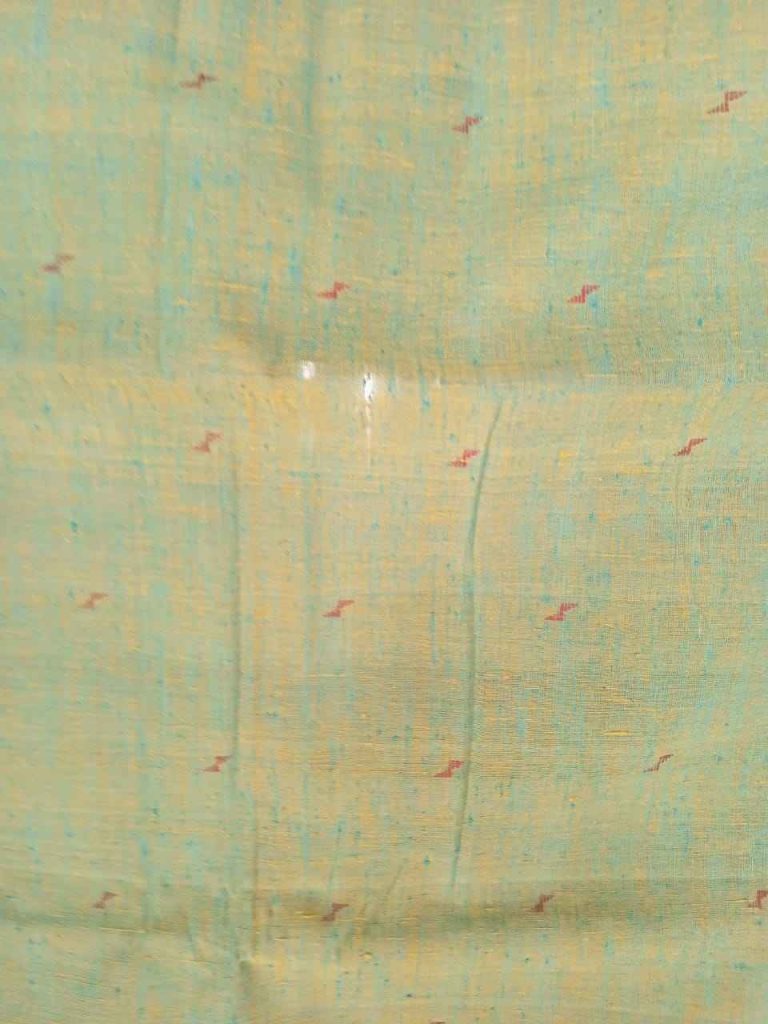
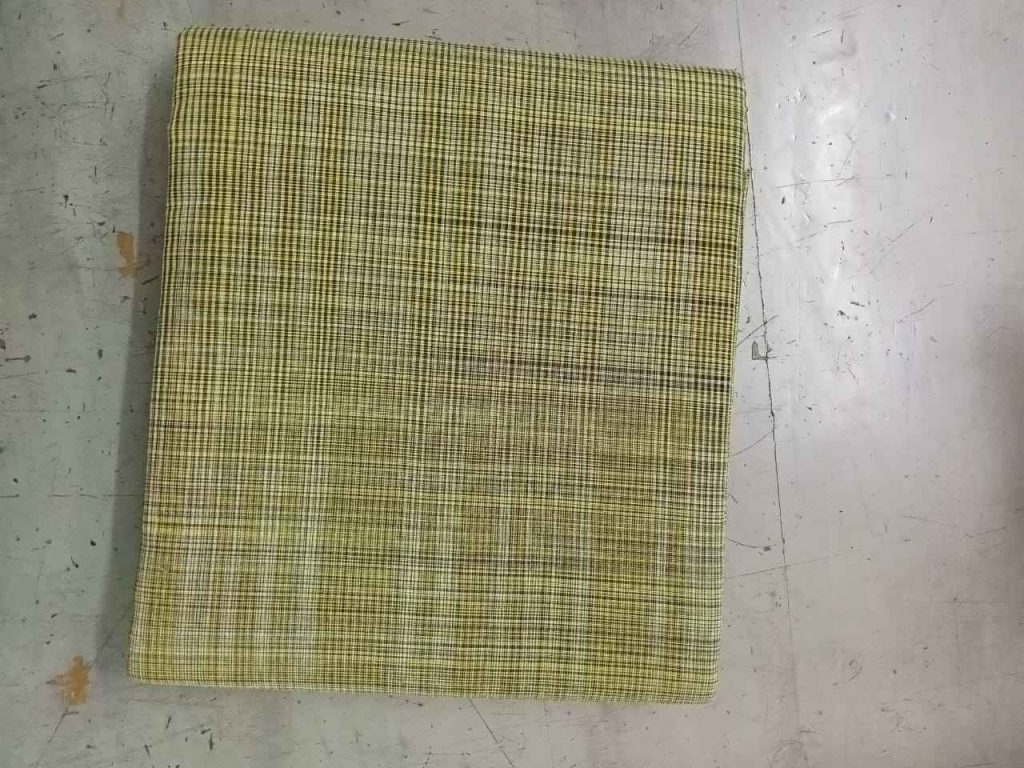
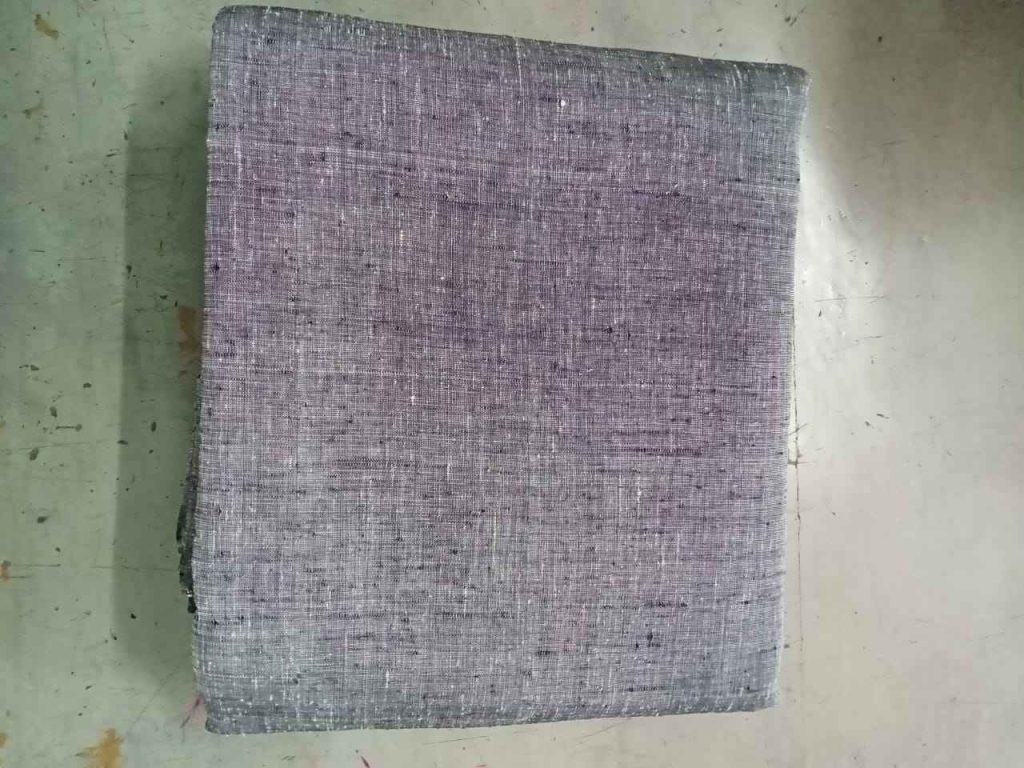
Pulagurtha’s Handloom Weavers Cooperative Production and Sale Society has located about 30 km from Kakinada. Uzaramma, the director of ‘Malkha’ marketing trust and founder of Dastkar Andhra, introduced ‘malkha’ fabric to the Society. It is a success story that must be told and experienced.
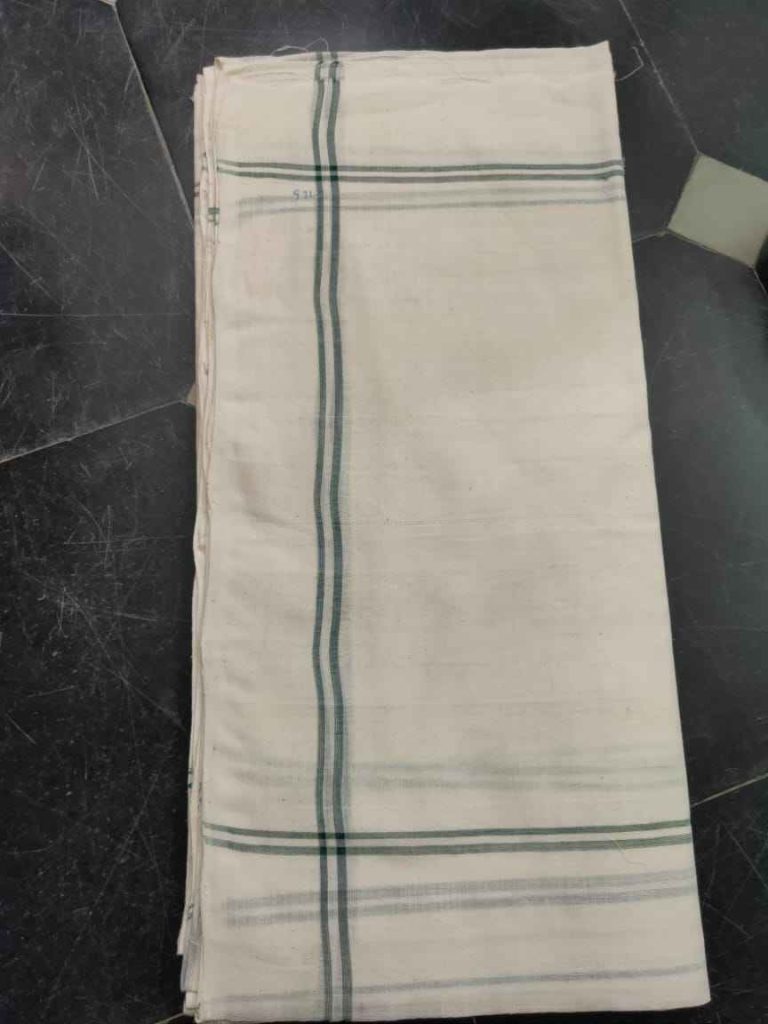
This Society has taken up the challenge to counter power loom products. Decentralised Cotton Yarn Trust (DCYT), based in Hyderabad, has trained weavers, and the government has provided the machinery for the yarn unit. Here they have a mechanised process of making malkha yarn, which is their speciality. Malkha weaving requires more attention than other handloom varieties, but the returns are comparatively higher. It takes a couple of five to seven days to weave 42 meters of fabric. As many as 40 weaving families from Pulagurtha, Machavaram, Someswaram and Kutukuluru have depended on Malkha for their livelihood by converting their handlooms to Malkha looms. This material has become very popular in North India and continues to be in demand. They also participate in Handloom Bazaar regularly organised by the CCAP.
Contact details:
Satyanarayana
9490702453
Siva Kumar
9676166736
Uppada
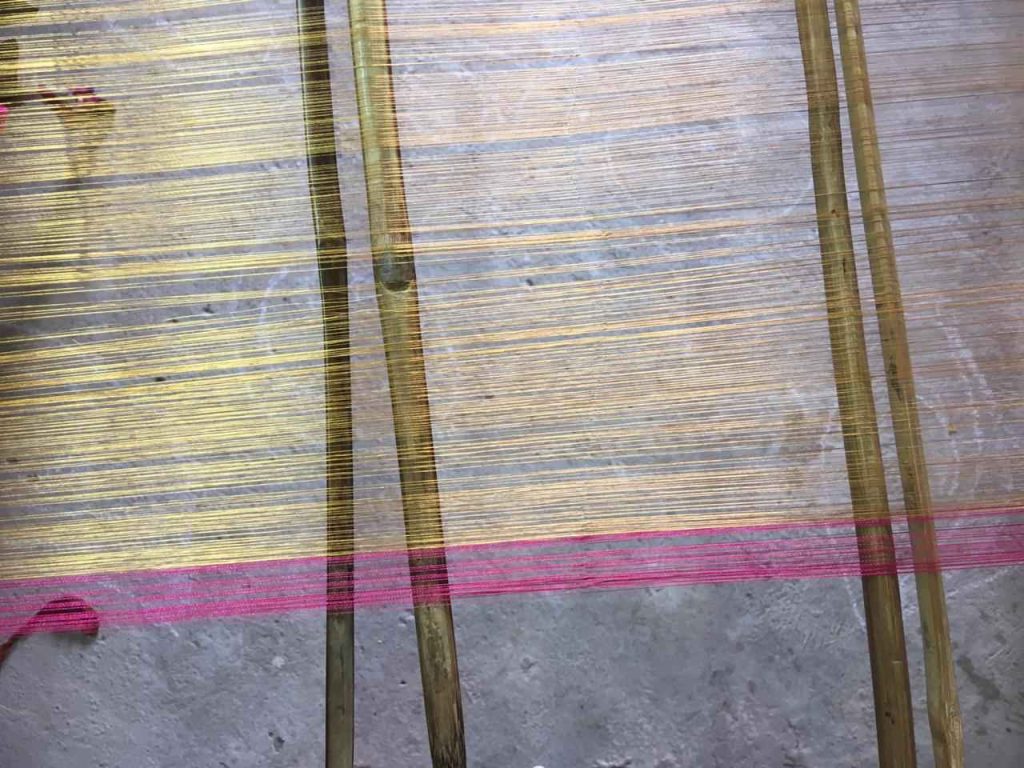
Uppada is very interesting and gives a feeling of adventure, and the approach road is so close to the ocean that it takes your breath away at the sheer proximity. There are stories of the road being underwater during a storm. Uppada is a coastal village close to the Port of Kakinada in Kothapalli Mandal. This place can boast of the Jamdani style of weaving that originated here more than 300 years ago. There were about 1000 weavers when business was doing well, but now they are down to a minuscule 50, most of whom work for master craftsmen. Products are marketed at local stores that are located on the main street.
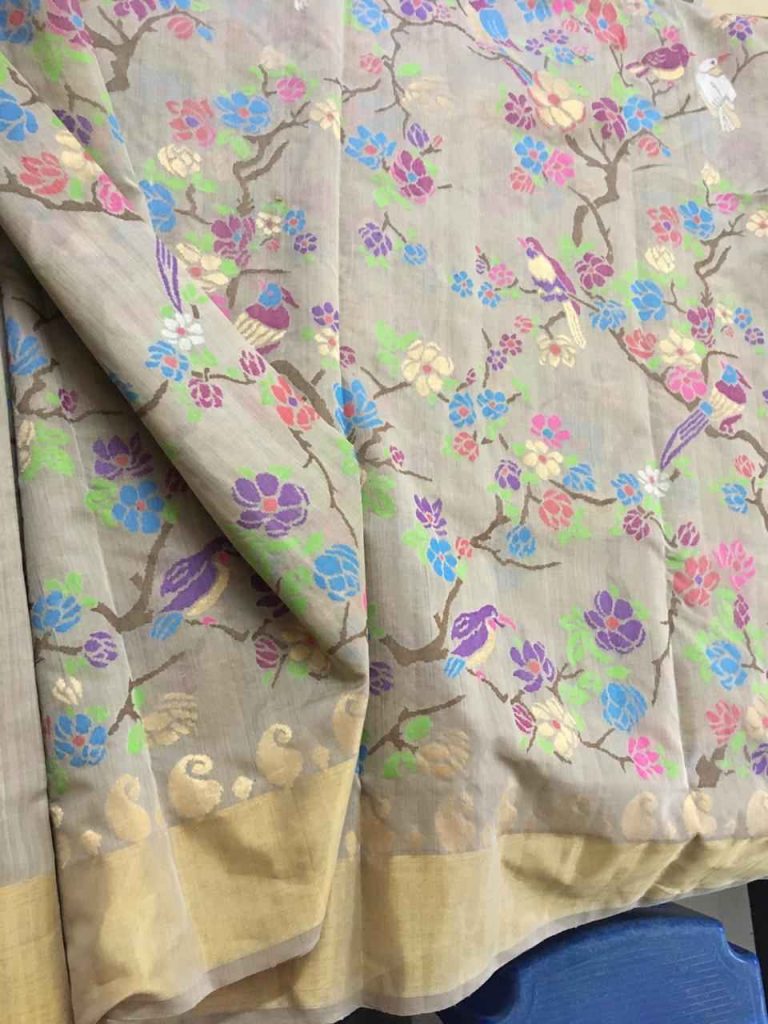
Motifs for saree are prepared on graph paper along with colour combinations representing seven inches on the loom. It takes 300 grams of silk warp yarn and 60 spindles of weft yarn to make a saree. Local weavers create exquisite Jamdani work on Uppada sarees done by young girls. The Uppada Jamdani sarees are also famous for being light in weight. An authentic Uppada Jamdani motif looks the same in its reverse.
An exciting scene plays out in the main market of Uppada. One can observe the different clarion calls through music or vocally to voo the customers to buy their ware!
The postal department released a unique commemorative postal cover in the name of renowned Uppada Jamdani weaver Sri Lolla Veera Venkata Satyanarayana in 2020.
Contact details:
Srinivas Rao (Master weaver)
9603064633
Konda Babu (Master weaver) 8985958018